Why EV Adoption Among Rideshare Drivers Is Stalling?
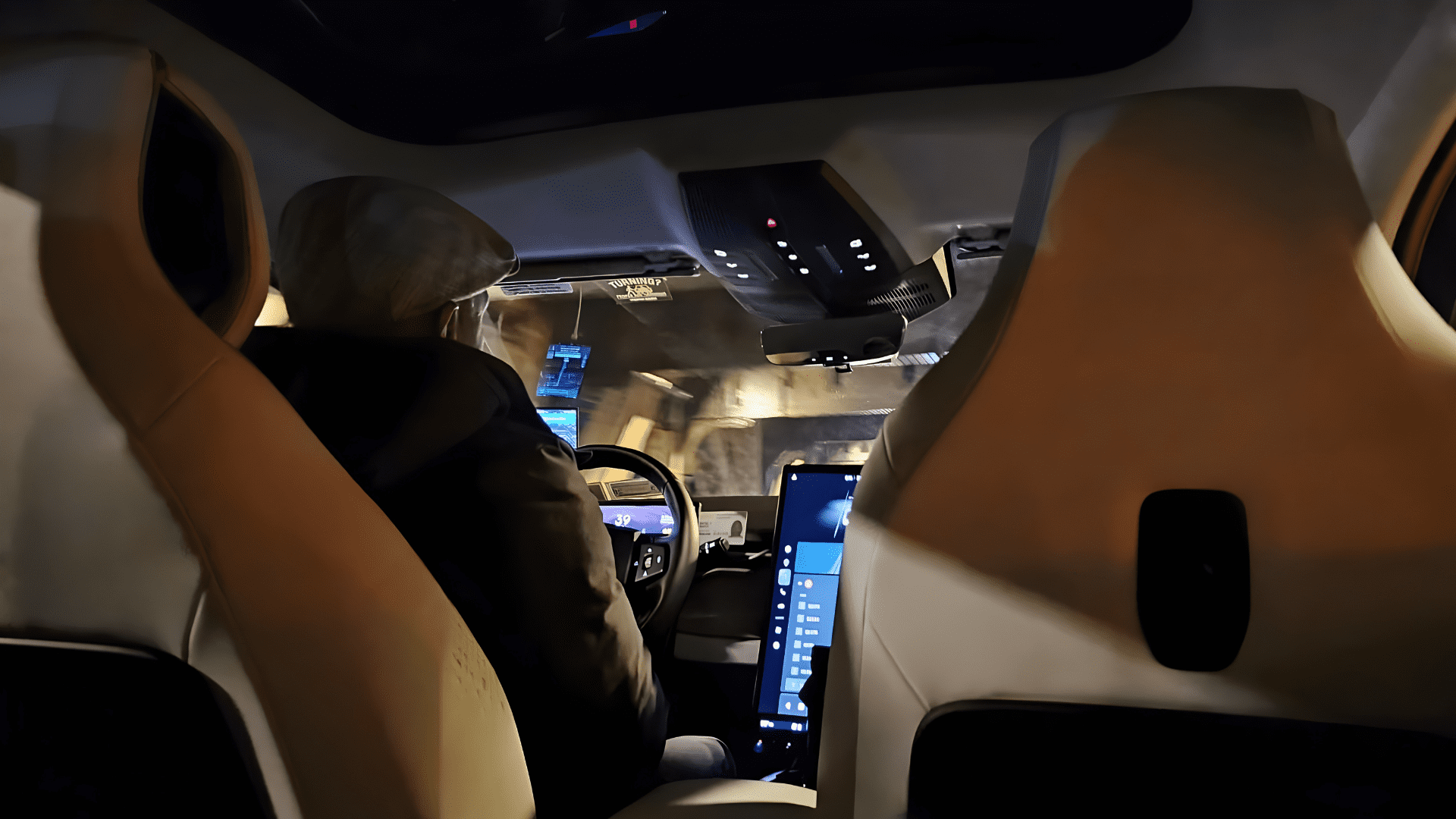
Recently, we spoke with a New York City rideshare driver who works the night shift, from 5 p.m. to 5 a.m. in an electric vehicle.
His feedback? Brutally honest.
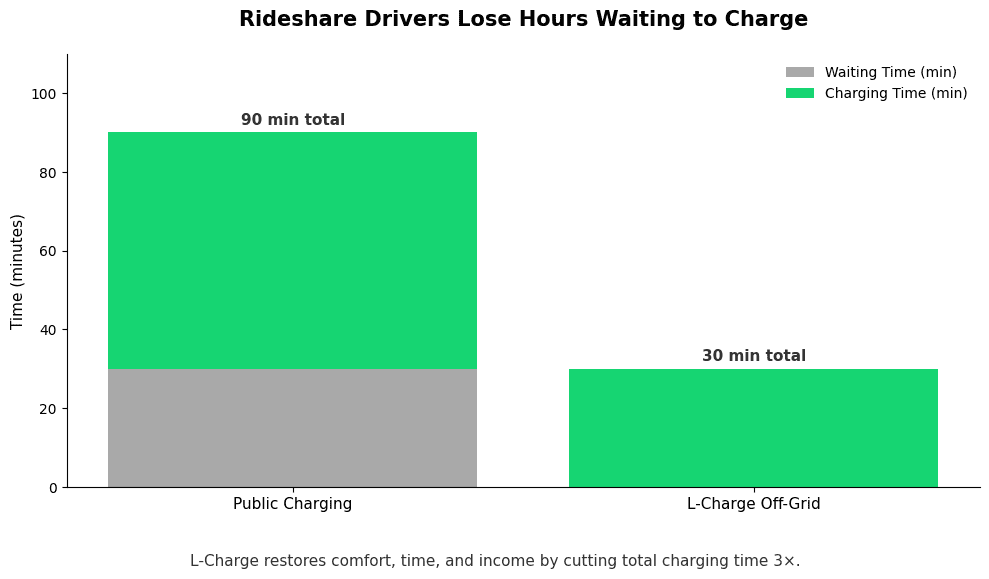
After finishing his shift, he drives to a public charging hub around 5 a.m. where dozens of other drivers wait in line. The chargers are busiest before sunrise because electricity rates are lower. He waits, sometimes for an hour – then charges for another hour.

By the time he gets home, his family is waking up. He’s exhausted, and the time he could spend sleeping or with loved ones is lost, again.
When we asked whether he’d recommend EVs to fellow drivers, his answer was a firm no.
To reach true mass adoption, EVs have to match or surpass the comfort and convenience of internal-combustion cars.
An ICE car takes 3 minutes to refuel. For many commercial drivers, that’s the benchmark. Today’s charging landscape asks them to give up hours of personal time every single day. Even when companies offer discounts, say 44% off charging costs, it only solves the financial problem, not the human one.
Comfort, time, and predictability matter more than kilowatt-hours.
When charging becomes a daily inconvenience, drivers grow disillusioned. They blame the car, not the infrastructure. Some even return to gas vehicles.
This creates a serious problem for rideshare platforms investing millions in fleet-electrification goals: if drivers don’t want to drive EVs, no incentive will be strong enough.
To truly lead the transition, rideshare companies must make charging as easy as fueling up – fast, available, and always within reach of where drivers actually work.
And here’s the twist:
the space to make it happen already exists.
Across every city, thousands of parking lots sit idle for most of the day – spaces that could easily host fast chargers and help expand the EV network.
The problem isn’t lack of land. It’s a lack of initiative.
Rideshare companies, like Tower Mobility, that genuinely care about EV adoption need to think beyond rebates and discounts. Drivers shouldn’t have to sacrifice comfort to drive electric. What they need is convenient access – places to charge near where they actually finish their shifts.
Those parking lots don’t need trenching, grid permits, or expensive site work. They just need a simple way to bring power to where it’s needed.
That’s what L-Charge enables: off-grid, ultra-fast charging that can be deployed almost anywhere – directly at fleet or rideshare hubs, without waiting for the grid.
The opportunity is already there, in plain sight, in every parking lot. The ball is in the court of rideshare platforms to make charging part of their driver experience. L-Charge can help them get there, quickly and without complexity.
Electrification isn’t just about energy. It’s about human energy , the daily rhythm of people whose work keeps cities moving.
If we expect rideshare drivers to embrace EVs, we have to make charging a comfort, not a chore.
Let’s build a network that values time, simplicity, and the people who power the transition.
That’s what we do at L-Charge.
Fast. Off-grid. Human-first.
Why can’t rideshare companies rely on public charging networks?
Because public chargers weren’t designed for high-frequency, commercial use. They’re unpredictable, often congested, and located where retail drivers charge, not where rideshare drivers end their shifts.
Can underused parking lots really host EV chargers?
Yes. With L-Charge, there’s no need for trenching, permits, or expensive grid connections. A standard lot can become a functional fast-charging site in just days.
What kind of power does L-Charge use?
Our units run on renewable or low-carbon fuels such as RNG (renewable natural gas). This allows zero-grid operation with emissions far lower than diesel or gasoline equivalents.
How fast can an L-Charge unit be deployed?
Typically within days. Because everything is self-contained and off-grid, we can install chargers at existing parking areas or driver hubs without major construction or permitting delays.
How is it priced?
L-Charge operates on a simple pay-per-kWh model. There’s no upfront CAPEX , just predictable pricing for the energy you use.
What’s the first step for rideshare or fleet operators?
Identify your busiest driver zones or idle parking areas. We’ll assess the site, deploy a unit, and keep it running, so your drivers can charge quickly and get back on the road.
Interested in having a charging depot by L-Charge? Get in touch!